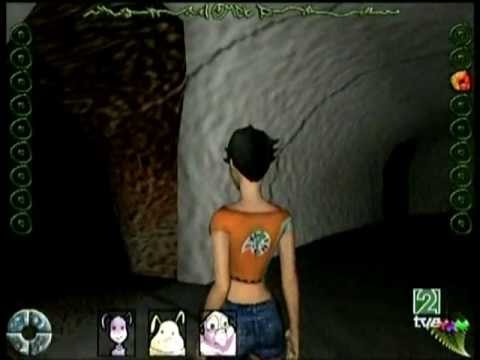
Sound as spatial representation
Sound conveys position, orientation and context, allowing users to build coherent mental models of the environment.


REMPRENDE 2005 Award · Most innovative technology project
The hidden power of sound
A methodology for building virtual environments navigable through sound, conceived from its origin to promote inclusion and allow orientation and spatial understanding without depending exclusively on vision.
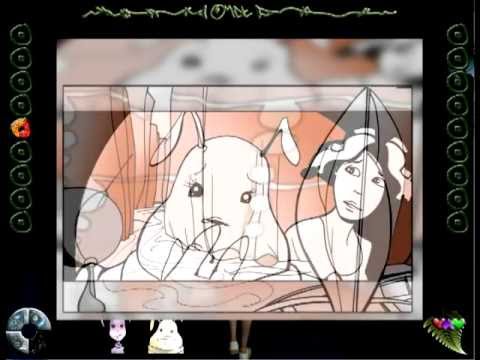
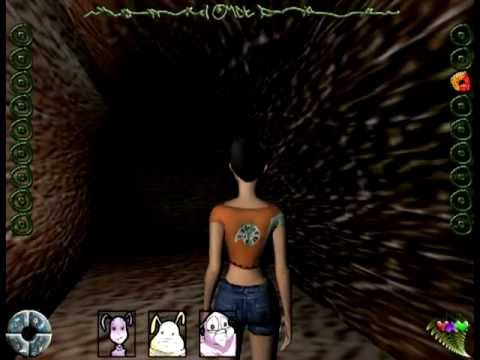
VCS technology is the foundation of the video game Onae, Zoe's Adventure, published by O.N.C.E. A third-person 3D adventure where players must overcome multiple challenges to help the protagonist return to her world. Originally available in Spanish, Galician, Catalan, Basque and English, it featured well-known public voices such as Ramón Langa, Emma Ozores and Paula Vázquez. Music by Eduardo Tarilonte.
Sound conveys position, orientation and context, allowing users to build coherent mental models of the environment.
VCS incorporates adaptation mechanisms that adjust the experience to each user's auditory capabilities.
Interaction is organized around entities with their own identity, behaviour, location and state.
Compass, Sonar, Trident and other orientation mechanisms have evolved for more than two decades following a common and inclusive philosophy.
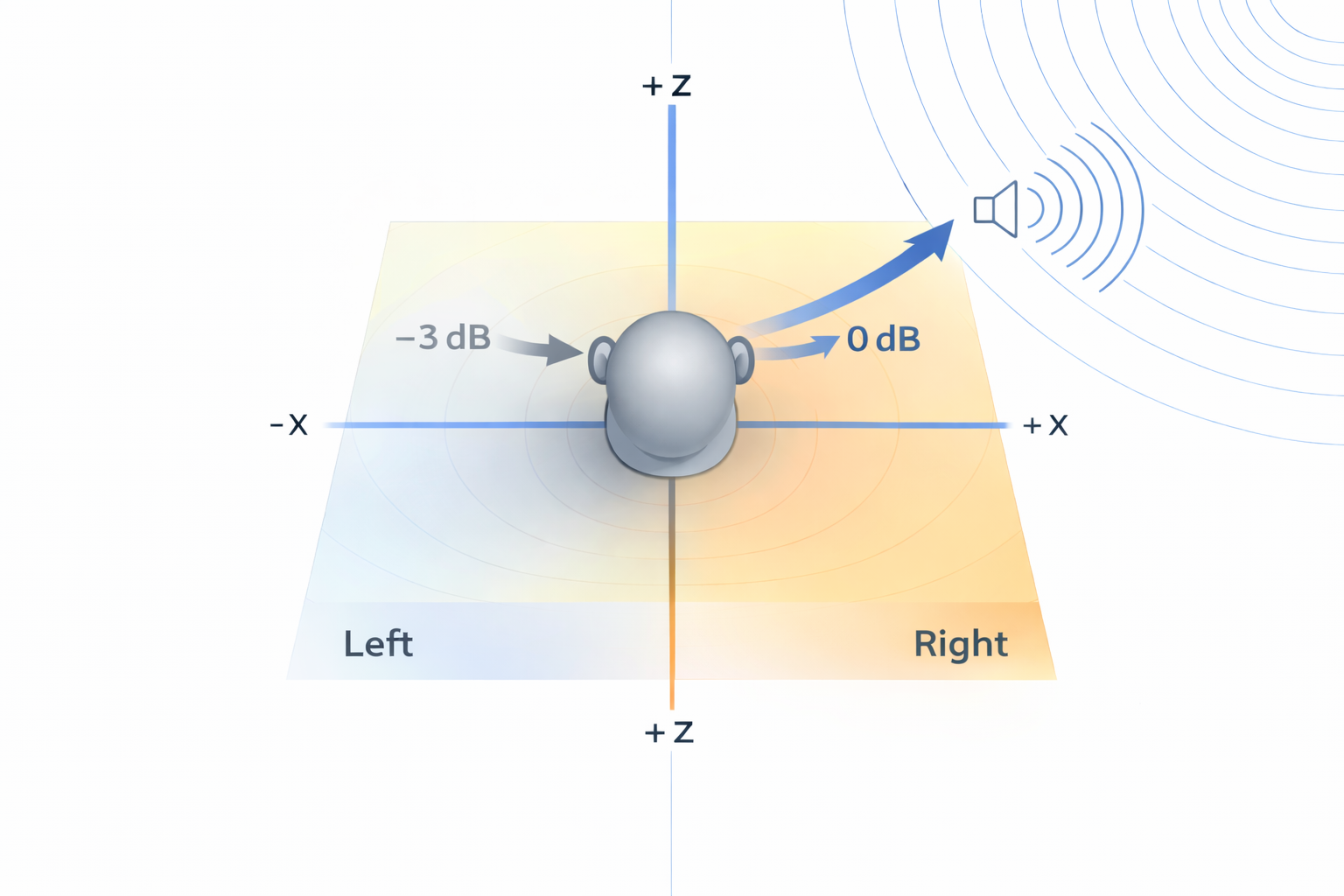
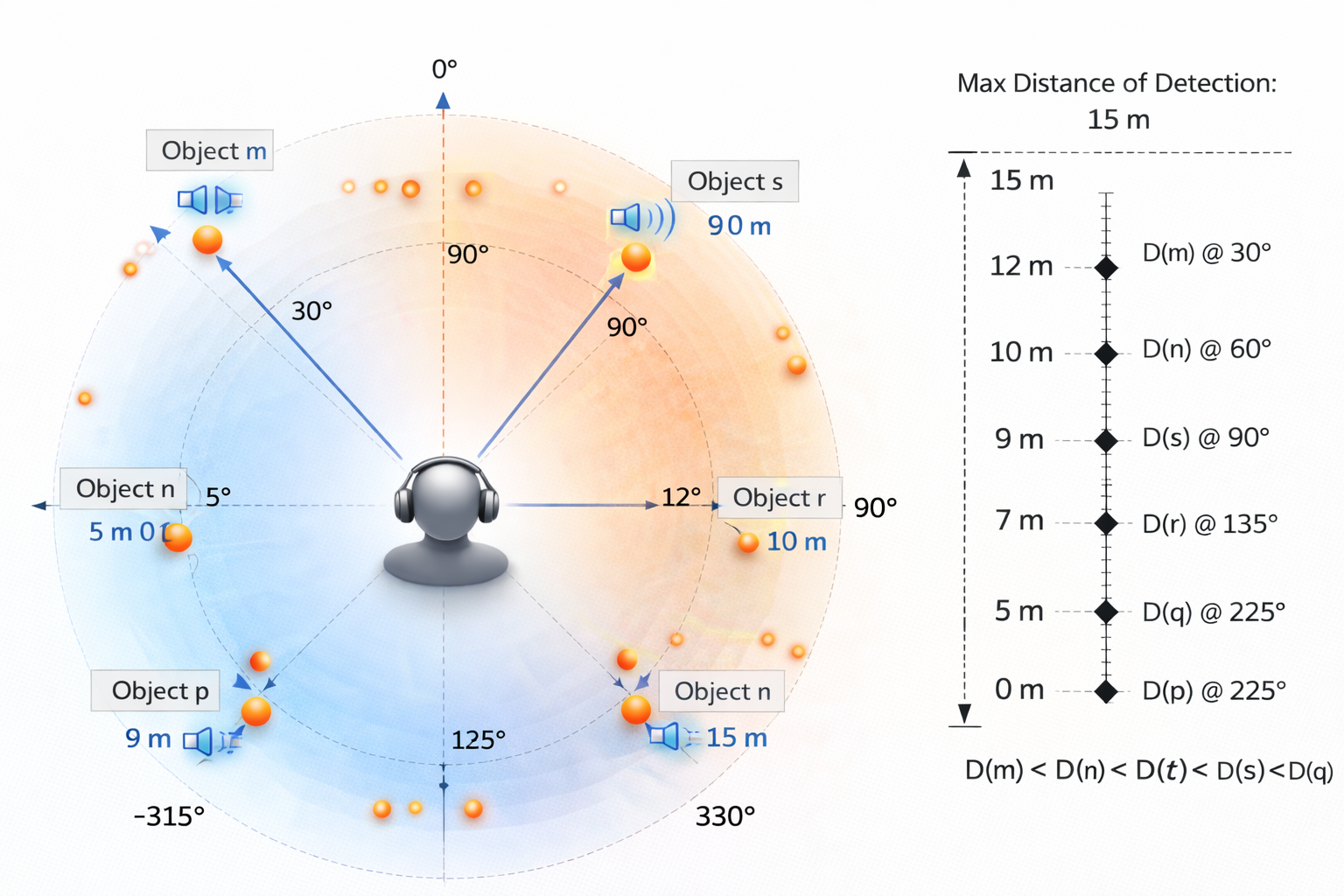
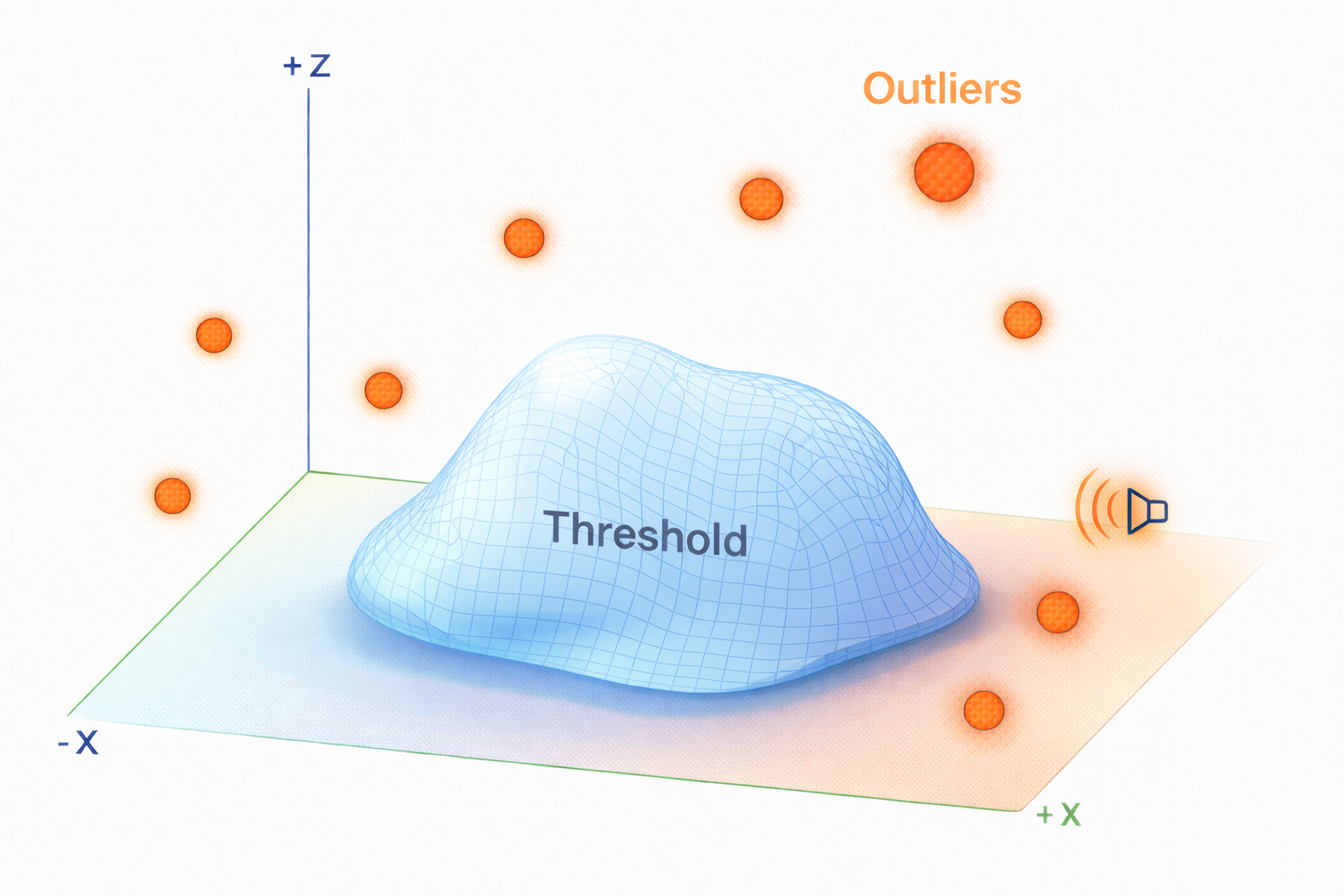
Totana 1578 uses the advanced 6.0 version of VCS, incorporating improvements specifically designed for isometric environments and complex investigation and mission systems.
A collaboration with ONCE concerning the development and application of VCS is currently under negotiation. The proposal includes funding and specialist resources to advance the accessibility of Totana 1578 and the evolution of the system itself.